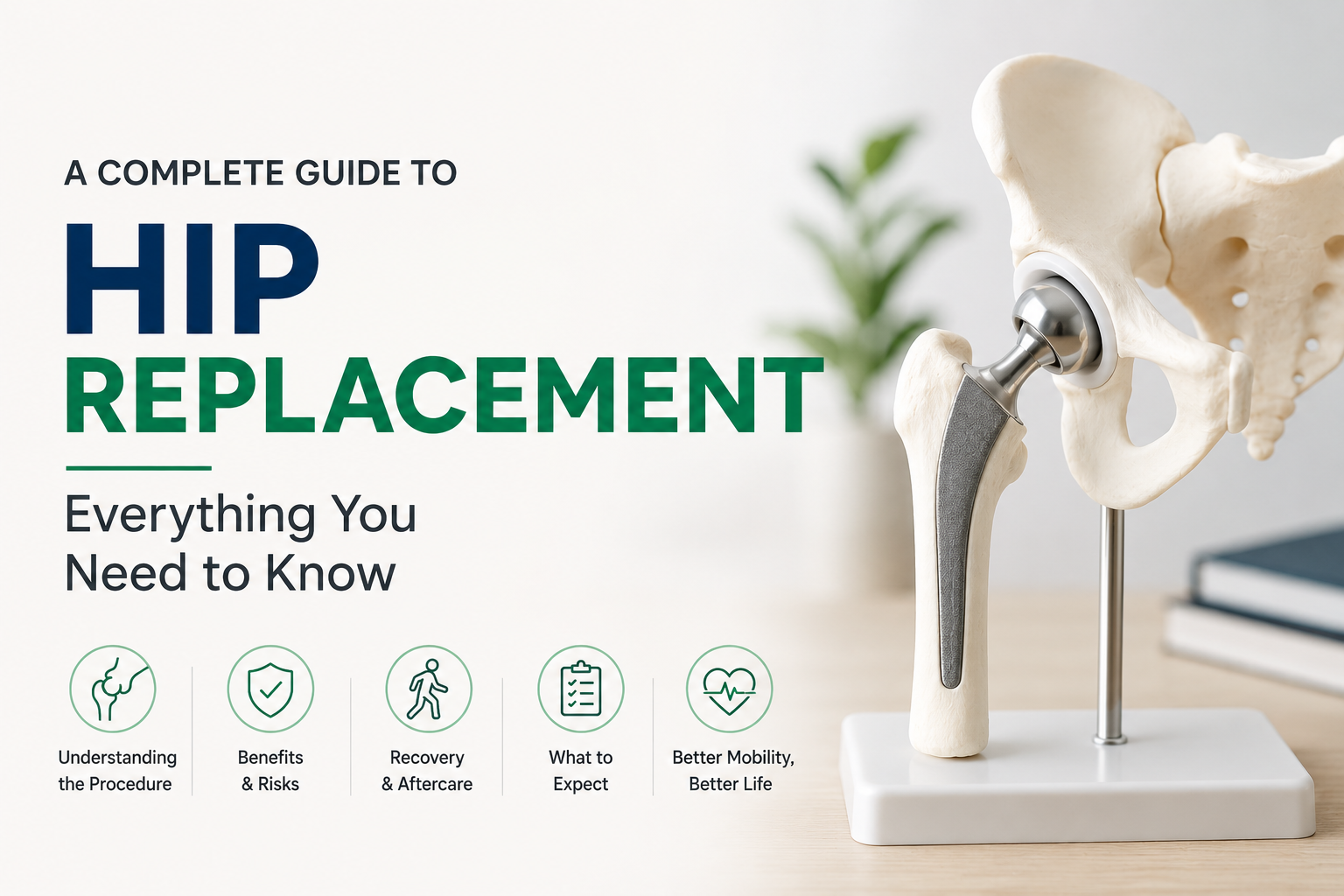
Hip pain has a way of affecting almost every part of your day.
What starts as a slight discomfort while walking can gradually make simple activities such as climbing stairs, getting out of bed, exercising, travelling, or even sitting comfortably feel like a challenge.
Many people live with hip pain for years, hoping it will improve on its own. Others rely on medication, physiotherapy, injections, or lifestyle changes to manage their symptoms. While these treatments can often provide relief, there comes a point when they may no longer be enough.
If you’re wondering whether hip replacement surgery might be the right solution, this guide will help you understand the causes of hip pain, when surgery becomes necessary, the different types of hip replacement, what recovery looks like, and what you can expect along the way.
What Is Causing My Hip Pain?
Hip pain can develop for many different reasons. In some cases, it appears gradually over time. In others, it may be linked to an injury or underlying medical condition.
One of the most common causes is osteoarthritis, a condition in which the cartilage that cushions the hip joint gradually wears away. As the protective cartilage deteriorates, the bones begin rubbing against each other, leading to pain, stiffness, and reduced mobility.
Other common causes of hip pain include:
- Rheumatoid arthritis
- Hip fractures
- Previous injuries or trauma
- Avascular necrosis (loss of blood supply to the hip bone)
- Developmental hip disorders
- Sports injuries
- Age-related wear and tear
Common symptoms may include:
- Pain in the hip, groin, thigh, or buttock
- Stiffness after resting
- Difficulty walking or climbing stairs
- Reduced range of motion
- Pain when standing from a seated position
- Difficulty sleeping due to discomfort
- Limping or changes in walking pattern
While not all hip pain requires surgery, persistent symptoms that interfere with everyday life should be evaluated by a specialist.
When Should I Consider Hip Replacement?
Many patients worry that surgery should only be considered as a last resort.
The reality is that hip replacement is usually recommended when the condition begins affecting your quality of life and conservative treatments no longer provide meaningful relief.
You may want to consider hip replacement if:
- Hip pain persists despite medication or physiotherapy
- Walking becomes increasingly difficult
- Everyday activities are limited
- Sleep is disrupted by pain
- Stiffness affects your independence
- Mobility continues to decline
- Injections or non-surgical treatments no longer help
One of the most important things to understand is that the decision to undergo hip replacement is rarely based on imaging alone.
A specialist will also consider how much the condition is affecting your comfort, mobility, independence, and ability to enjoy life.
If hip pain is preventing you from doing the things you love, it may be time to explore your options.
Do I Need a Partial or Total Hip Replacement?
Not every patient requires the same procedure.
The type of surgery recommended depends on the extent of damage within the hip joint and the underlying cause of your symptoms.
Partial Hip Replacement
A partial hip replacement typically replaces only the damaged portion of the hip joint. This procedure is often performed following certain types of hip fractures, particularly in older adults.
Benefits may include:
- Shorter surgical procedure
- Preservation of healthy joint structures
- Effective treatment for specific conditions
Total Hip Replacement
A total hip replacement involves replacing both the ball and socket portions of the hip joint with artificial components.
This is the most common form of hip replacement and is often recommended for patients with severe arthritis or widespread joint damage.
Benefits may include:
- Significant pain relief
- Improved mobility
- Better joint function
- Greater independence
- Long-term improvement in quality of life
Your specialist will recommend the most appropriate option based on your condition, imaging results, age, lifestyle, and overall health.
Will Hip Replacement Surgery Be Painful?
This is one of the first questions most patients ask.
The honest answer is that some discomfort is expected after surgery. However, advances in surgical techniques, pain management, and rehabilitation have made recovery much more comfortable than many people expect.
Immediately after surgery, patients receive pain management support designed to keep discomfort under control while encouraging early movement and rehabilitation.
As the body heals and strength returns, pain gradually improves.
Many patients are surprised by how quickly they notice a difference. While recovery requires patience and commitment, the discomfort experienced after surgery is often temporary compared to the years of chronic pain they lived with beforehand.
In fact, many patients say they wish they had sought treatment sooner.
How Long Does Recovery Take After Hip Replacement?
Recovery varies from person to person, but most patients follow a similar timeline.
Weeks 1–2
Patients usually begin standing and walking with assistance shortly after surgery. Gentle exercises and physiotherapy start early to promote healing and restore movement.
Weeks 3–6
Mobility continues to improve. Many patients become more independent and gradually resume light daily activities.
Weeks 6–12
Most patients experience significant improvements in comfort, strength, and walking ability. Everyday tasks become easier and confidence grows.
3–6 Months
The majority of recovery occurs during this period. Many patients return to hobbies, travel, exercise, and activities they previously struggled with.
Up to 12 Months
Healing and improvement can continue for up to a year as the body fully adapts to the new joint.
Following physiotherapy recommendations and staying active are among the most important factors influencing recovery outcomes.
Life After Hip Replacement
One of the biggest goals of hip replacement surgery is helping patients regain their independence and quality of life.
For many people, this means being able to:
- Walk comfortably again
- Travel without pain
- Enjoy hobbies and recreational activities
- Sleep better
- Maintain an active lifestyle
- Spend more time doing the things they love
While every patient’s journey is unique, modern hip replacement surgery has helped millions of people around the world return to a more active and comfortable life.
What Should I Do Next?
If hip pain is affecting your mobility, independence, or quality of life, it may be time to speak with a specialist and explore your options.
Not every patient requires surgery, and not every patient requires the same treatment pathway. The first step is understanding your condition and learning what options are available to you.
At MedKer, we help patients connect with experienced orthopaedic specialists, obtain second opinions, understand treatment options, and access personalized support throughout their healthcare journey.
Whether you’re considering conservative treatment, partial hip replacement, or total hip replacement, having the right information can help you make confident decisions about your health and future.
Connect with trusted orthopaedic specialists, explore your treatment options, and receive personalized support designed around your healthcare needs.
Better Mobility. Greater Independence. A Better Quality of Life.
MedKer’s Got You.